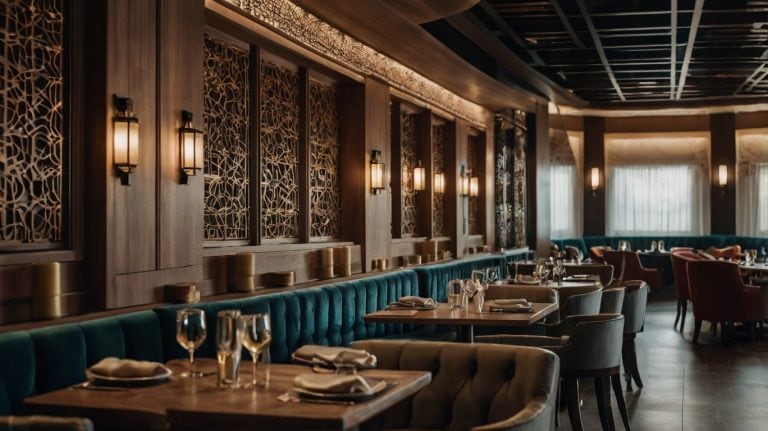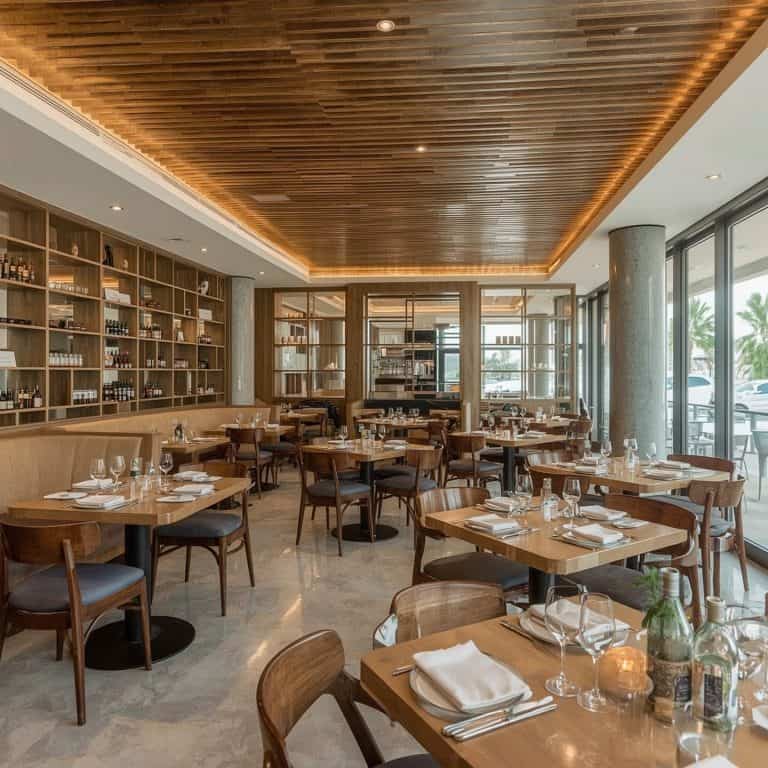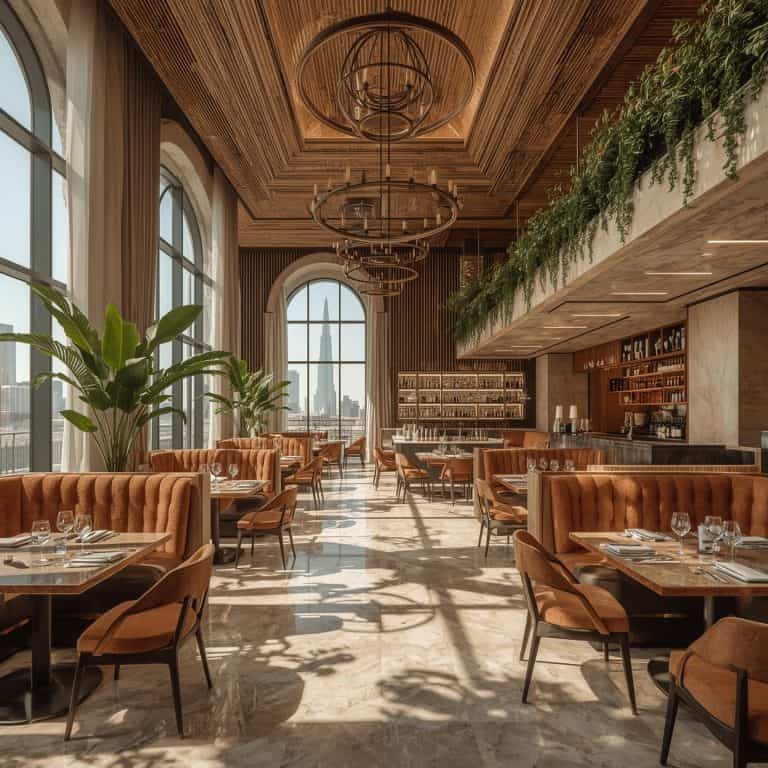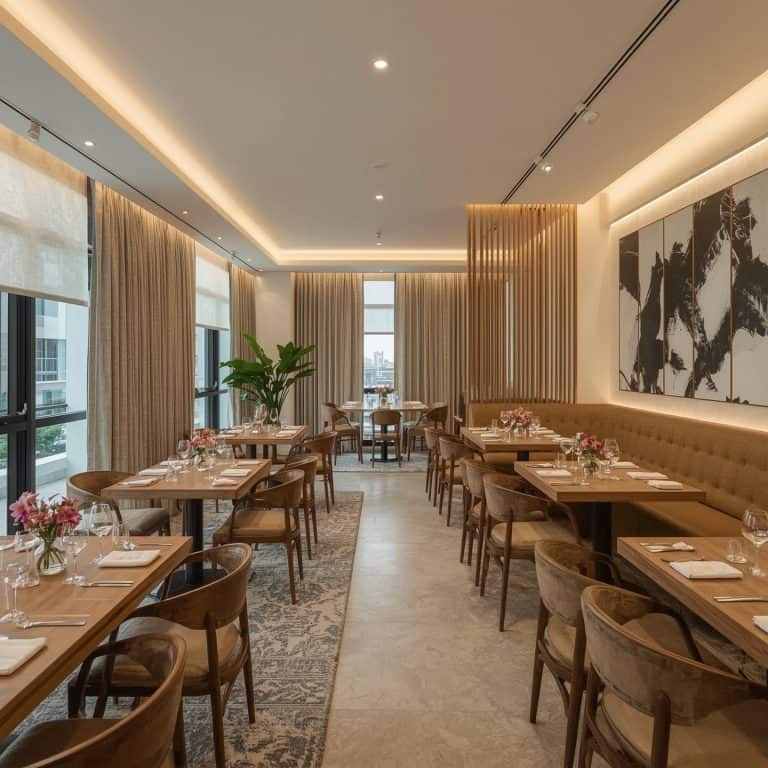
Restaurant Fitout in Dubai: 15 Powerful Trends to Elevate

Restaurant Fitout in Dubai: 15 Trends You Need to Know
A restaurant fitout in Dubai is much more than tables and décor—it’s about shaping memorable guest experiences through intentional design.
In a city renowned for luxury, innovation, and fierce competition, your restaurant’s ambiance is just as important as its menu.
Having worked on three restaurant projects here in Dubai, I’ve seen firsthand how interior design can make or break a business. Whether you’re launching a boutique café or revamping a fine-dining spot, understanding the latest restaurant interior design trends, compliance needs, and customer expectations will set you up for success.
Let’s explore the top 15 restaurant fitout trends that are transforming Dubai’s dining landscape right now.
What Are the Restaurant Fitout Trends in Dubai?
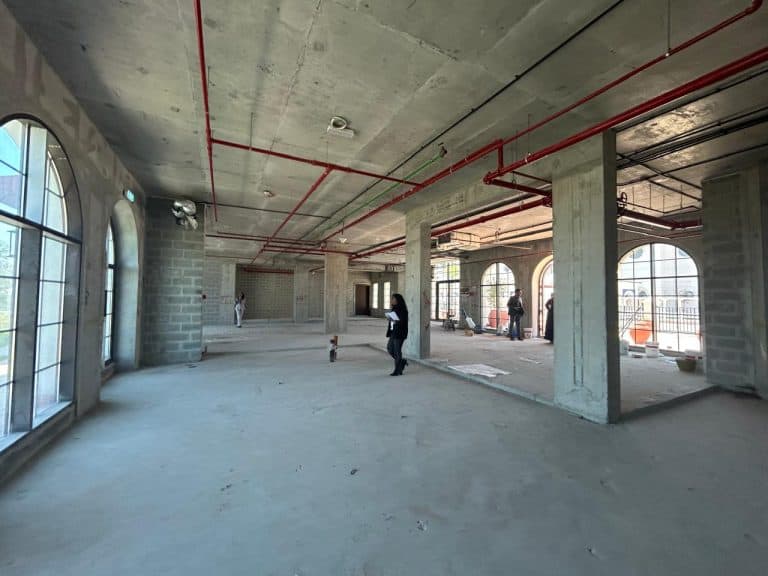
First, let’s clarify what a restaurant fitout means. It’s the process of transforming an empty or outdated space into a fully functional, safe, and aesthetically pleasing restaurant. This includes everything from electrical wiring, plumbing, and air conditioning to flooring, ceilings, lighting, furniture, equipment setup, and even branding details.
Here Are the Top Restaurant Fitout Trends in Dubai You Should Know About:
1. Open Kitchen Concepts
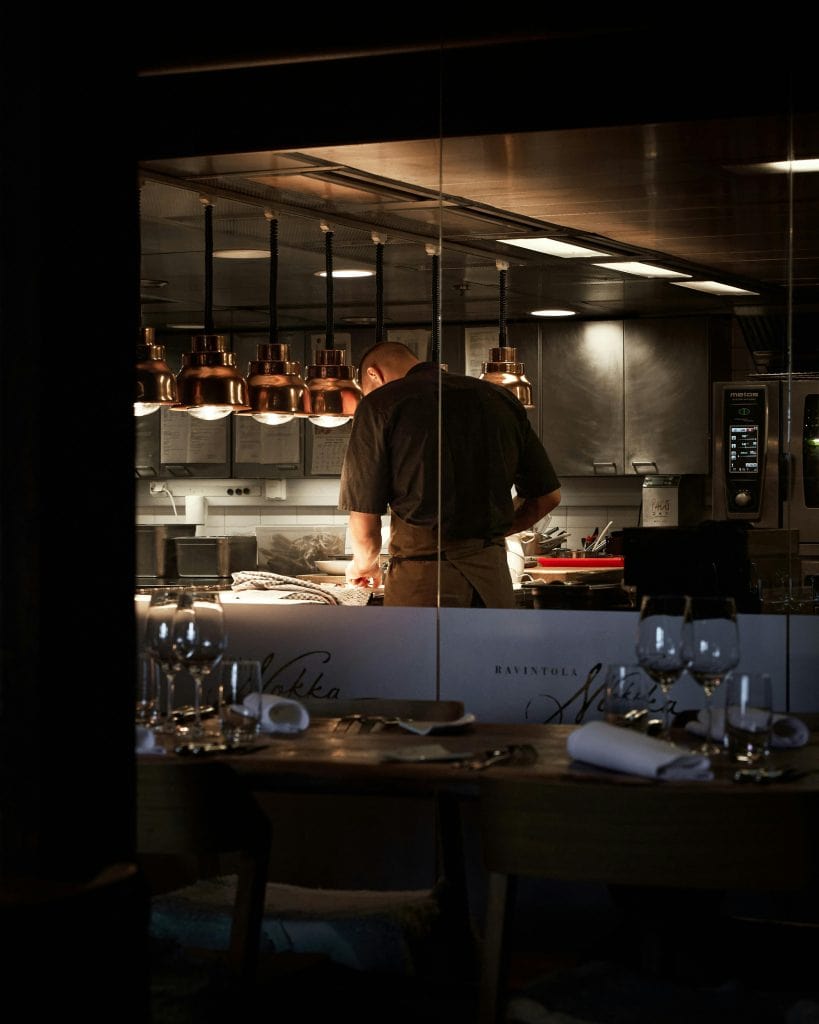
Today’s diners want transparency. Open kitchens allow guests to see food being prepared, which adds excitement and builds trust.
For Example, In a Japanese bistro in JLT, the open teppanyaki grill became the centerpiece, turning every meal into a mini culinary show.
✅ Considering an open kitchen? Let’s discuss how to design one that meets hygiene standards and optimizes your layout.
2. Instagrammable Interiors
Dubai restaurants thrive on visual appeal. Custom wall art, neon signs, and photo-worthy corners are essential for social sharing.
For Example, for a burger spot in Business Bay, you can design with a graffiti mural and selfie mirror that drives free social media marketing.
📸 Want to create a space that guests can’t resist photographing? I can help you plan it.
3. Smart Lighting Systems
Lighting affects mood, energy consumption, and functionality. Popular choices include dimmable LED strips, pendant lights, and ambient zone lighting.
4. Sustainable Design & Eco-Friendly Materials
Conscious dining is trending. Use reclaimed wood, low-VOC paints, energy-efficient appliances, and recycled metals to create a greener space.
For Example, for a vegan restaurant in Dubai Marina, you can reuse barn wood and install energy-efficient HVAC and LED systems.
🌱 Need help sourcing sustainable materials in Dubai? Let’s explore eco-friendly options together.
5. Flexible Seating & Multi-Zone Layouts
Create different experiences in one venue—like communal tables for groups, cozy corners for couples, and work-friendly bar seating.
6. Biophilic Design Elements
Bringing nature inside is good for well-being and aesthetics. Think potted plants, green walls, and organic materials.
For Example, a café in Jumeirah can incorporate a vertical herb wall and skylight to enhance the natural ambiance.
7. Industrial Chic Meets Desert Elegance
Concrete floors, exposed ductwork, raw finishes—balanced by warm tones, curved furniture, and Arabic accents. This fusion is hot in Dubai right now.
8. Cultural Fusion in Decor
Celebrate your concept’s heritage with design cues from your country’s culture—like Moroccan tiles, Japanese partitions, or Mediterranean arches.
9. Technology-Integrated Fitouts
Smart menus, POS integrations, motion-activated lighting, and temperature control systems help enhance operations and the overall customer experience.
⚙️ Looking to integrate smart tech into your restaurant? I can guide you through the latest tools that boost efficiency and wow your guests.
10. Statement Ceilings and Feature Walls
Don’t ignore vertical surfaces. Ceilings and walls are prime real estate for bold branding and storytelling.
For Example, for a street food concept, you can use vibrant suspended umbrellas and a hand-painted mural that drew massive attention.
11. Custom Furniture & Bespoke Joinery
Mass-produced furniture can feel cold. Invest in custom booths, counter designs, and branded details to make a lasting impression.
🪑 Do you need custom joinery that matches your concept? Let’s design something that fits perfectly.
12. Acoustic Comfort Solutions
Great food shouldn’t come with unbearable noise. Acoustic panels, ceiling baffles, and fabric finishes keep sound under control.
13. Interiors That Tell a Brand Story
Every detail—from the colors to the menus—should reinforce your story. That’s how you build an emotional connection.
For Example, in a Turkish restaurant in Dubai Hills Mall, we showcased traditional dishes and family photos to celebrate the owner’s heritage.
🧩 Let’s make your space speak your story—ask me how to align your interior with your brand’s voice.
14. Minimalist Luxury Design
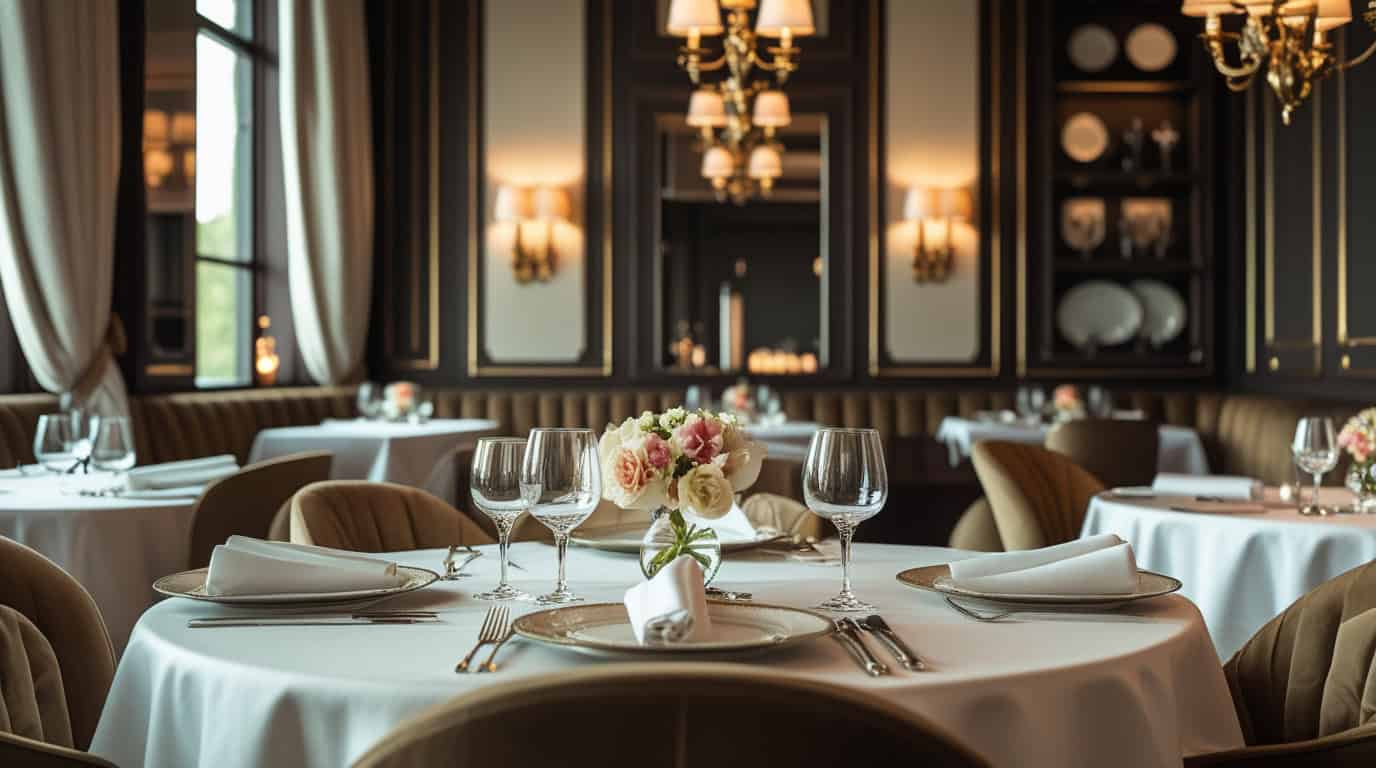
Think refined over flashy—muted palettes, high-end materials, and thoughtful lighting. This trend is booming, particularly in upscale areas such as Downtown and the Dubai International Financial Centre (DIFC).
15. Delivery-First and Cloud Kitchen Layouts
With food delivery skyrocketing in Dubai, ghost kitchens and hybrid dine-in/delivery spaces are gaining traction.
For Example, for a cloud kitchen in Al Quoz, you can design with separate counters for five brands and a dedicated delivery rider area.
📦 Planning a cloud kitchen? I can help streamline the space for multi-brand efficiency and smooth delivery operations.
What Is Restaurant Fitout in Dubai?
Restaurant fitout in Dubai is the process of transforming an empty or outdated space into a fully operational, regulation-compliant, and visually attractive restaurant. It involves:
- MEP works (mechanical, electrical, plumbing)
- Ceiling, flooring, partitions, and wall finishes
- Commercial kitchen setup
- Custom furniture and branding
- Lighting, HVAC, and fire safety compliance
In a city like Dubai, where restaurant competition is intense and regulations are strict, a professional fitout is essential.
🔧 Need help navigating Dubai’s restaurant fitout regulations? Let’s make sure you’re compliant from day one.
How Can a Restaurant Fitout in Dubai Benefit You?
Here’s what a strategic fitout can do for your business:
- Attract the right clientele with a space that aligns with your brand
- Increase staff efficiency with optimal kitchen and service layouts
- Ensure safety compliance with Dubai Municipality and Civil Defense
- Enhance your digital presence through visually stunning design
- Boost return on investment (ROI) by turning first-timers into regulars
After completing three restaurant fitouts, I’ve learned that a well-planned fitout is one of the most profitable investments you can make.
📞 Thinking of starting your restaurant project? Reach out for a consultation—I’d love to help you bring it to life.
Conclusion: Dubai Doesn’t Just Eat — It Experiences
Restaurant fitout in Dubai is no longer a checklist—it’s a storytelling process. Every trend on this list offers a way to make your concept more engaging, efficient, and memorable.
The key isn’t to use every trend but to select the right ones that match your brand, market, and goals.
If you’re planning a new restaurant or revamping an old one, start with intention. I’ve worked with brands that turned simple concepts into signature destinations by aligning design with their vision.
✨ Ready to transform your space into a destination? Let’s create a restaurant experience that Dubai won’t forget.
Frequently Asked Questions
Q: How much does a restaurant fitout in Dubai cost?
A: The average cost ranges between AED 500 and AED 2,000 per sq. ft., depending on design complexity, materials, and approvals.
Q: How long does a restaurant fitout take in Dubai?
A: Typically 6 to 12 weeks, including authority approvals and final finishes.
Q: Do I need government approvals for fitout?
A: Yes. You’ll need approvals from Dubai Municipality, Civil Defense, and possibly DEWA, TECOM, or other relevant authorities, depending on your restaurant’s location.
Q: Can I operate during the fitout process?
A: It’s usually not feasible due to safety and hygiene reasons. Temporary closure is recommended.
Q: What’s the difference between a fitout contractor and an interior designer?
A: Interior designers focus on layout and visual elements. A fitout contractor executes the build, including civil, electrical, plumbing, and compliance work.